"Changing lives, one person at a time"
Our Projects

Selwyn ECD Learning Centre
130 kids in the ECD and 90+ Aftercare kids
·
Daycare
·
Aftercare
·
Parental
workshops
·
Spiritual
Dance Group for mothers
·
Computer
Training and life skills
·
Social
advice and counselling
· Sewing and Beading Training
· Increasing
access to quality early childhood education and care.
· Enhancing
parental/practitioner knowledge and involvement in child development.
· Improving
school readiness and academic achievement.
· Reducing
disparities in ECD outcomes among different demographic groups.
· Supporting
parents going through substance abuse issues, ensuring nutrition,
personal hygiene and safety become a priority for children in the various
communities they live in.

Siyazenzela Women's Program
30 women trained annually
1. Skills training
2. Work place preparation
3. Individual and group support
· To improve the
overall quality of life of women living in Vrygrond and surrounding
settlements.
· To provide
financial, social and psychological support to women who face challenges of
gender-based violence, unemployment and drug/alcohol abuse on a daily basis.
· To not only
equip women with new skills and knowledge but nurture the application of these
in the wider community and beyond.
· To positively
influence the lives of all women in the community – even if they are not
directly engaged in the program – through the emergence of strong female
leaders and role models who advocate women’s rights, successful careers and
overall empowerment.

Work Readiness Skills Training
The IT lab typically hosts multiple courses throughout the day as well as other classes
related to hands on practice. The total number of students who use the lab typically
ranges from 60 to 90 per term (3 to 6 months).
The course gives individuals useful and important computer skills through a wellstructured well thought out program, this equips young people living in Vrygrond and
surrounding areas to be competitive when applying for jobs. Access to usable computers in Vrygrond is limited, so we believe that our infrastructure can act as a hub to attract young people to the foundation, and for them to enroll
themselves for Computer Training.
Choose your
Program


Vrygrond
The People
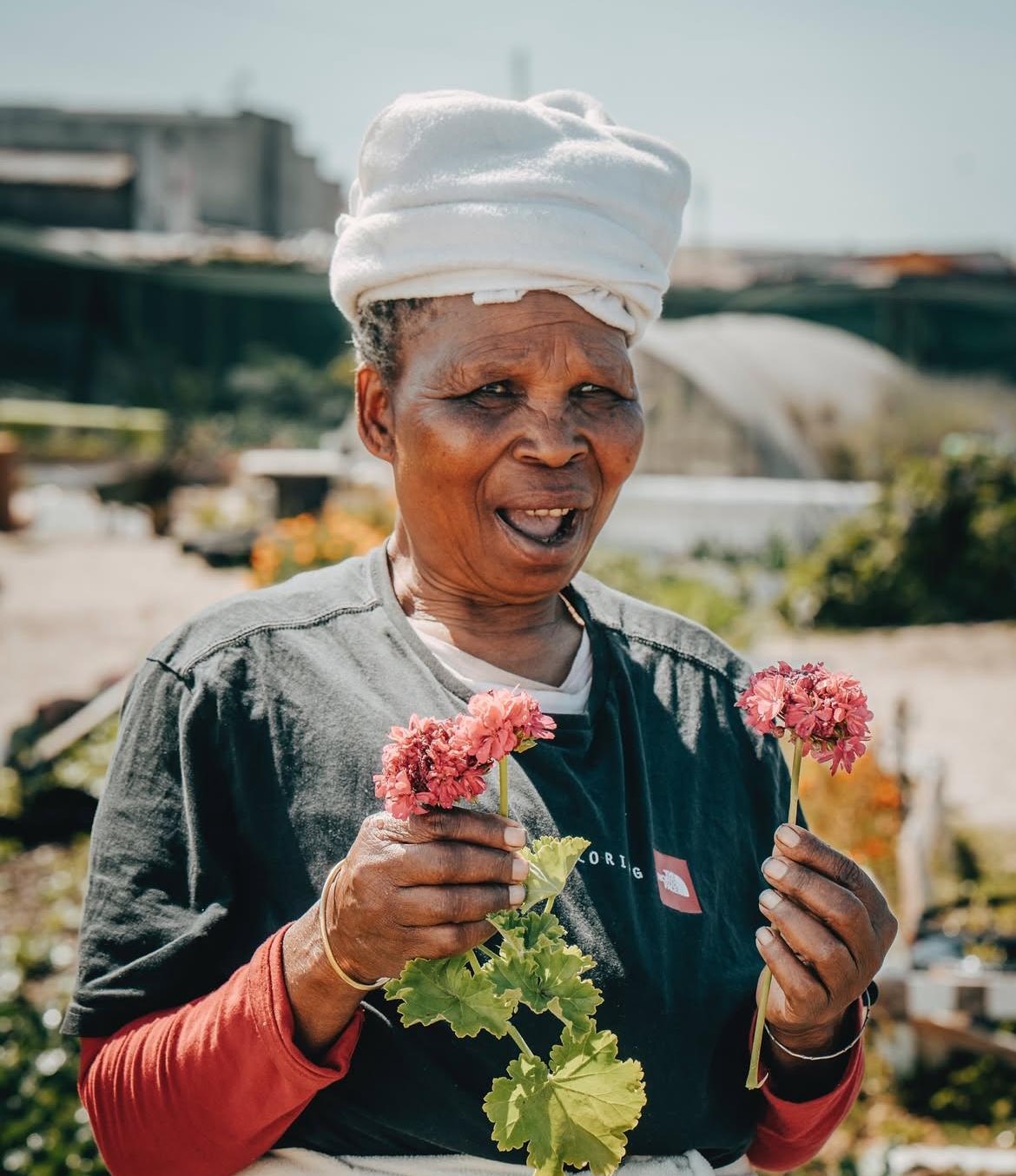
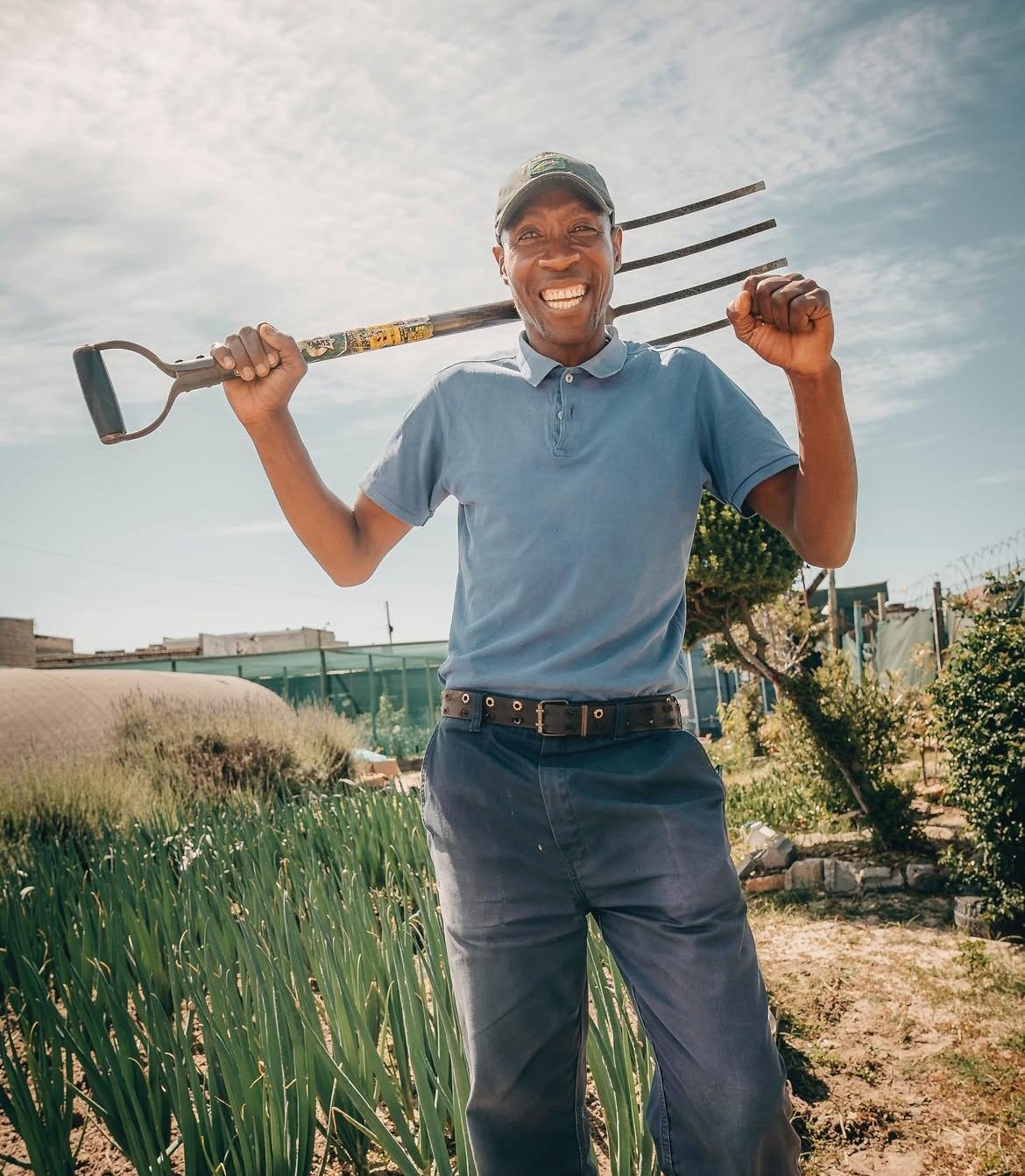
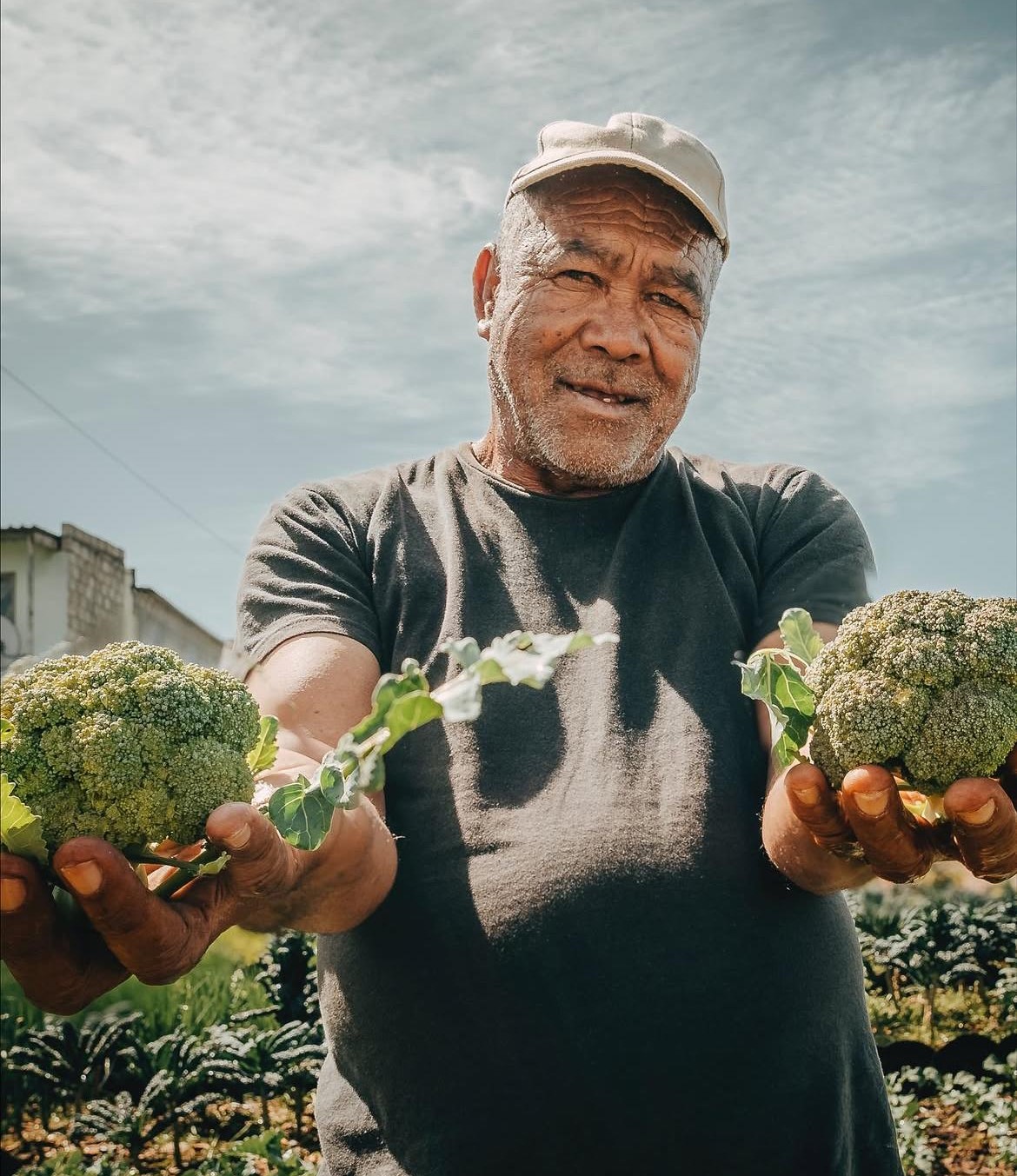
Vrygrond, sometimes called Capricorn in parts of older records , is an informal settlement on the False Bay coast near Muizenberg, City of Cape Town. The name Vrygrond means “Free Ground” in Afrikaans; local stories link the name to either early fishing/trek settlement or to a legend about land being given by an Italian landowner.
Some sources date initial occupation around the early 1900s, while other local records note a first clear wave of settlement on the beach dunes around 1942. These early residents were largely self-reliant fishing families and labour migrants who settled informally on municipal/unused land.
Throughout the 20th century Vrygrond’s residents lived without formal title to the land and were affected by apartheid spatial policies (group areas, forced removals and restrictions on African and other Black urban residence). The settlement was repeatedly reshaped by evictions, municipal interventions and the broader apartheid plan to reorganise where Black and ‘coloured’ people could live — a history shared across Cape Town’s informal settlements.
After 1994 Vrygrond continued to grow through rural-urban migration and in-migration from other parts of South Africa and neighbouring countries. Over time it has developed complex internal neighbourhoods (sometimes referenced under names such as Capricorn) and by recent local reporting and community profiles the population is commonly estimated in the tens of thousands (some community reports cite figures approaching ~40,000 residents). The settlement faces the typical challenges of informal communities: overcrowding, high unemployment, limited formal housing, service delivery backlogs, and social problems exacerbated by poverty.
Stories of Hope
Volunteer Testemonials
.

.
.
.